AGA Stoves
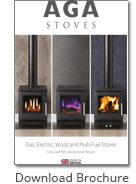 For over 95 years AGA has remained at the forefront of engineering excellence. AGA stoves embody the best AGA traditions and employ the very latest technology. When you invest in an AGA stove, you are acquiring a talking point and a centrepiece for your home. AGA stoves are brought to you by the manufacturers of the world famous AGA range cooker. They are assembled by hand by skilled craftsmen, giving each one a personal touch and unique quality.
When you invest in an AGA stove, you are acquiring a piece of history, a talking point and a centrepiece for your home. AGA stoves are brought to you by the manufacturers of the world famous AGA range cooker. They are assembled by hand by skilled craftsmen, giving each one a personal touch and unique quality.
With a reputation for technical excellence, AGA stoves are amongst the best you can buy. Each model is individually designed to ensure that the air flows around the stove in the most efficient way possible, while all components are manufactured to the highest technical standards.
QUALITY CONTROL
Every AGA stove is subjected to a detailed quality control inspection before it is allowed to leave the factory.
FLEXIBILITY
AGA stoves are available in all fuel types from Gas, Electric, Wood and Solid Fuel. With various sizes and styles to choose from, the AGA stoves range is designed to fit your home.
ACTIVE AIRFLOW TECHNOLOGY
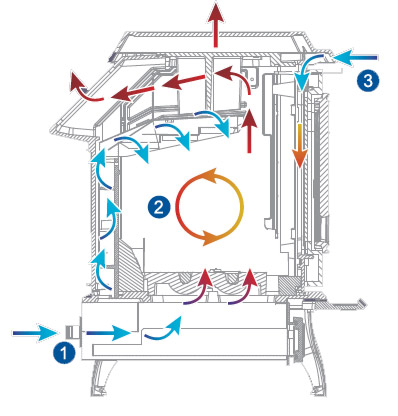
Selected AGA stoves incorporate the latest Active Airflow technology, to deliver the most efficient use of energy and to protect the environment from harmful emissions. This process not only guarantees that you achieve the maximum heat output from your chosen fuel, but also helps to keep the window clean and clear, so that you can enjoy the flame picture to the full
.
A FUEL TO SUIT YOUR HOME
ELECTRIC
Electricity is the most versatile and easily controlled form of energy. It is increasingly produced from renewable sources, such as wind, water and sunlight. AGA stoves in electric include the Ellesmere EC and Ludlow EC stoves.
GAS
Natural gas is environmentally friendly because it burns more cleanly than other fossil fuels. Natural gas is extremely reliable, and offers controllable power in your appliances. The AGA Ellesmere EC and Ludlow EC stoves are available in natural gas and LPG models are also available for more remote locations.
SOLID FUEL
Solid fuel is not only economical but it also produces a fantastic glowing flame, approved smokeless fuels are low emission and environmentally friendly. Solid fuel is an efficient and economical method of heating your home 24 hours a day, whatever the weather. There are a wide range of fuels available and, in general, homes heated by solid fuel stoves can benefit from reduced condensation - helping to eliminate household mould.
WOOD
A renewable resource and the most environmentally friendly fuel to burn. Nothing can compare with the roar and crackle of a real wood fire. AGA stoves are clean burning and highly efficient. Burning timber is cost effective and helps to conserve fossil fuels. For the best effect, only dry, seasoned timber should be used. You can recognise dry wood by the fact that the bark comes away easily. Fresh green wood can have a moisture content of up to 90%, which makes it slow to ignite, produces steam, reduces the efficiency of the stove and can lead to excess sooting, which in turn, reduces the visibility of the flame picture and increases particulate emissions to the environment.
TESTED AND TRUSTED
AGA Stoves are designed manufactured and tested to meet the highest levels of compliance. AGA Stoves meet all current and future legislation, class leading efficiencies including Stoves which are 2022 ECO compliant. All of our AGA stoves are third party approved covering safety and performance and carry the CE mark. Our approvals are all carried out in the UK. All Solid Fuel, Multi Fuel, Wood and Electric stoves have been certified by Kiwa UK for your complete peace of mind.
AGA Stoves Contact Details
AGA Head Office
Station Road
Ketley
Telford
Shropshire
TF1 5AQ